By Julia Francisco & Juana Hernandez
Originally Published: December 13, 2021
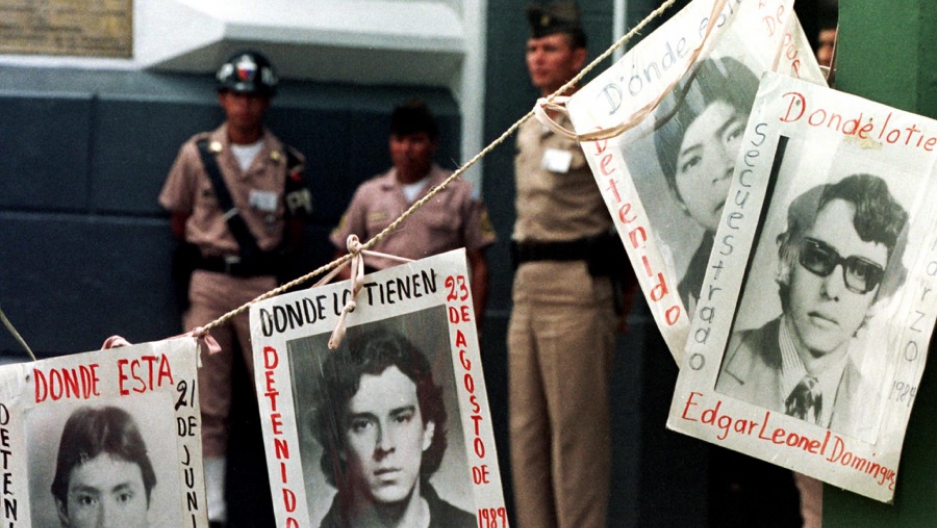
Upon arriving in the United States many immigrants leave nightmares behind, but new ones emerge. From keeping quiet to not be captured to keeping quiet to not be fired, immigrants struggle in and out of their countries.
War Survivors
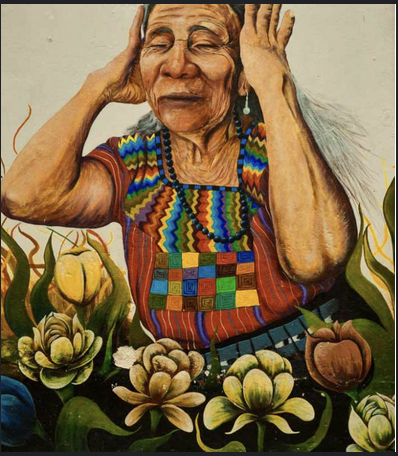
Many immigrate to the United States to escape poverty, natural disasters, and war. In Guatemala a vicious civil war broke out from 1960-1996 between the Guatemalan government and rebel groups. Caught in the crossfire were thousands of Indigenous Mayans, among them Eulalia Rodas, who was then just a child.
During the 1960’s, tension between the government and rebel groups escalated throughout the small country. This was the beginning of a 36 year war. Profiting from this war was the Military Industrial Complex. This term was first used by former president Dwight D. Eisenhower to identify the growing system of arms trade that has allowed first world countries like the United States to profit by selling military weapons and training to fuel wars in third world countries. Many of the armed rebel groups fled into the aldeas of Guatemala and allied with the Indigenous villagers. Many of these villagers would later become victims to the rage of war.
Eulalia Rodas grew up in a small village with her family in the aldeas of Guatemala. She describes her family as humble, hard workers. Life was not always easy, but they were always grateful for what they had, that is until tragedy struck.
It all started with the order to cut down every tree in their home. Guatemalan soldiers forced the villagers to ax down their luscious trees to make sure no “enemy” was hiding under them. This was to spot rebels, guerrilleros, faster. Her father obeyed and manually cut down the enormous trees. On one occasion a tree fell onto his back, he never recovered from that injury and ached until his death.
News about a village in Piedra Blanca being burned shocked villagers everywhere. The village was burnt when soldiers heard rumors about the villagers providing food to the guerrilleros. Men, women, and children burned as an example to the rest to not associate with the rebels. Soldiers also threw pictures of guerrilleros throughout villages and if any villagers picked them up they would instantly be shot for the assumption that they knew the person in the picture.
The guerrilleros were known to hide among the villagers, often wearing indigenous clothing, which made soldiers shoot anyone they believed was a guerrillero, even if they were not. Eulalia recalls having to hide from the guerrilleros and soldiers many times. Her father hid them by cramming them into a pamela oven for many hours, as both groups would ravage their homes. If any dogs were found in the homes, they would be killed as they could warn a group about the other group’s whereabouts. Their days consisted of whispers and hiding. “No habia allegria, solo susto y miedo.” That is how Eulalia, now in her 40’s, describes her life during the civil war.
Although her father did his best to hide her family, the war took her brother with it. Her brother was captured by the guerrilleros and forced to leave his family behind to join the fight. A banner was posted between two trees with her brother’s name on it, if he failed to comply, his family would be killed like so many others had been. On his last day with them, Eulalia recalls the emotional goodbye and his words being, “ellos me van a matar,” “they will kill me.” They hugged, and never saw each other again. Her devastated father took down the banner and quickly burned it before the soldiers could see. To this day, Eulalia questions what her brother’s fate truly was and understands that she is alive because of his sacrifice.
Eulalia eventually paired with a suitor and came to the United States to build a better future. She believed she had left all the suffering in Guatemala when she arrived in Los Angeles. However, the suffering was far from over.
Many immigrants are forced to leave their turbulent countries to seek safety. Instead many are received with an even harsher reality upon entering the United States because of their immigration status.
Disposable Workers
“Señora usted ya no Puede pasar por lo que me pidió ayer.” That is what Antonia Tzun was told when she showed up to work the day after she had asked for a raise from her former employer.
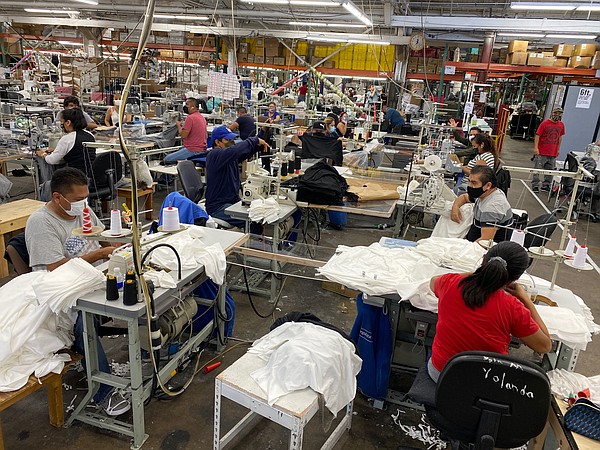
Antonia Tzun immigrated from Guatemala to Los Angeles in 2002. She worked in a clothing factory and was being paid 10 cents for every piece of clothing she made. However, she was unable to support her family in Guatemala and her daughter with the paycheck she was receiving. Due to the hardships of poverty, she decided to ask for a raise. Her employer responded negatively to her request. Nevertheless, she was respectful and accepted his decision. The next day, she showed up at the clothing factory for her usual 11-hour shift. She was stopped at the door by her then employer and was told she could not enter anymore because of the request she had made the day before.
According to the Los Angeles Times, only 3% of all fashion garments are made in the United States, but most of them are produced in Los Angeles. Currently, there are about 45,000 garment workers in Los Angeles like Antonia. They are paid using the piece rate system which is a system in which employers pay the employees, most times immigrants, by the number of garments they produce rather than an hourly wage. Many earn less than $3 an hour.
The immigrants working in these garment factories are often taken advantage of. The rooms are tiny, crowded, filled with filth, and even rat-infested. In the summertime, the workers are trapped in hot rooms for hours with only one fan blowing across the room. If available, windows are the only source of cooling they receive. They are not paid minimum wage or overtime, have no health benefits, and are forced to work in unsafe working environments and conditions.
Immigrants leave their countries due to the unsafe conditions of life. They come to the United States for hope and to pursue better opportunities. However, they are oblivious to how the United States plays a factor in the deterioration of their countries. Whether it be funding wars in their countries or profiting off their cheap labor, the United States is woven into the tragedies of these people. It makes you wonder, why does our country complain about immigration, when it’s our country that forces people to immigrate by creating untenable living situations? Perhaps the answer to that question lies in the price of a t-shirt or in the profit margins of an arms manufacturer. No person wants to leave their home, but many must to survive.
 The Global Studies Times